Vintage Guitar Value Guide: What Your Old Guitar Is Actually Worth
Vintage Guitar Value Guide: What Your Old Guitar Is Actually Worth
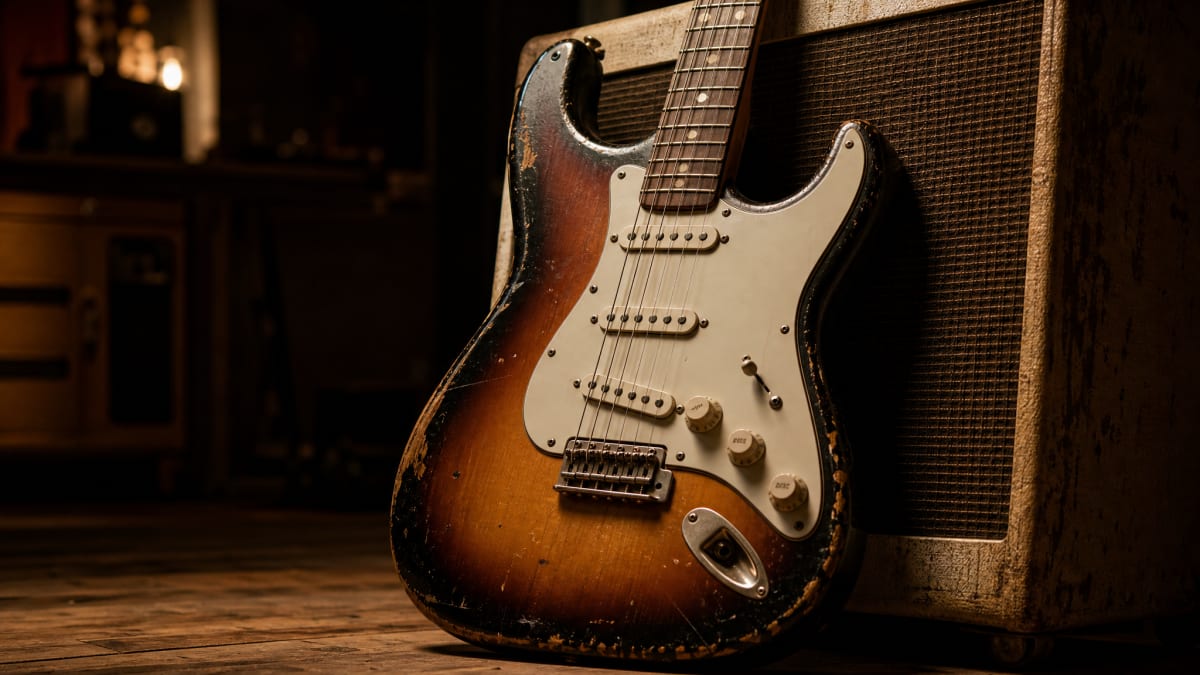
Most people who ask about guitar value are working from assumptions that are either too optimistic or not optimistic enough. The vintage guitar market is genuinely complex, and small differences in production year, hardware configuration, and finish condition can represent thousands of dollars in value.
I have a somewhat unusual qualification for this conversation. Before I became a certified appraiser and auctioneer, I spent years on the road as a professional guitarist. I know these instruments from the inside out, not just as objects to be valued, but as tools I played professionally for years. That combination of player knowledge and appraiser methodology is how I approach vintage guitar valuation.
Why Vintage Guitars Have Real Value
Pre-1970 American-made guitars from Gibson, Fender, Gretsch, and Martin were built with materials, craftsmanship standards, and production tolerances that modern manufacturing has not replicated at scale.
Tonewood quality is the primary factor that players and collectors agree on. Old-growth mahogany, Brazilian rosewood (now heavily restricted under CITES treaties), and the specific spruce used in pre-war Martins have acoustic properties that modern guitars are still chasing. The supply is finite. That creates scarcity, and scarcity drives value.
The Guitars Worth the Most Right Now
Pre-war Martin acoustic guitars (1930s and early 1940s) are the apex of the acoustic guitar market. A D-28 from 1937 in good condition can sell for $50,000 to $150,000 or more. Brazilian rosewood backs and sides are a defining characteristic of pre-war Martins.
Late 1950s and early 1960s Gibson electrics are the other benchmark category. A 1959 Gibson Les Paul Standard is considered by many to be the finest electric guitar ever produced. Auction records for exceptional examples have exceeded $400,000. Even more modest vintage Gibsons from this era bring strong five-figure prices.
Fender guitars from the late 1950s and early 1960s have their own strong market. A pre-CBS (pre-1965) Fender Stratocaster or Telecaster in original finish with original hardware commands a significant premium. The transition from Leo Fender's ownership to CBS in January 1965 is a collector landmark.
The Details That Drive Value
Original finish is often the single biggest value factor for post-war electrics. A guitar that has been refinished loses 30 to 70 percent of its collector value, regardless of the quality of the refinish. Collectors want original lacquer even if it's worn down to bare wood in spots. That relic wear is called 'honest wear' and it's desirable.
Original hardware matters almost as much. Replaced tuners, pickups, bridges, and pickguards reduce value. The closer a guitar is to its original specification, the more it's worth. If a guitar still has its original case, that's a meaningful bonus.
What Most People Get Wrong
The biggest mistake I see is assuming that age equals value. A factory-line guitar from 1968 in poor condition may be worth $500. A similar guitar from the same era with the right specifications, original finish, and original hardware might be worth $15,000.
The second mistake is over-relying on internet price guides. Listed prices and sold prices are not the same thing. Only completed sales reflect real market value. Check finished auctions on Reverb, eBay completed listings, and major auction house results.
Getting a Proper Valuation
If you have a vintage guitar that you believe may have significant value, having it appraised by someone who both knows the market and understands the instruments is worth the investment.
I offer appraisals and consultations for vintage instruments throughout the Phoenix and Scottsdale area. Visit joshlevinespeaks.com to reach out and let's talk about what you have.
Need an Expert?
Need an estate valued, or a keynote speaker who knows what things are worth? Josh Levine can help.